


Health
Building an Ecosystem of Community-Led Public Health
COVID-19 vaccine efforts showed how successfully centering communities can overcome mistrust and access barriers.
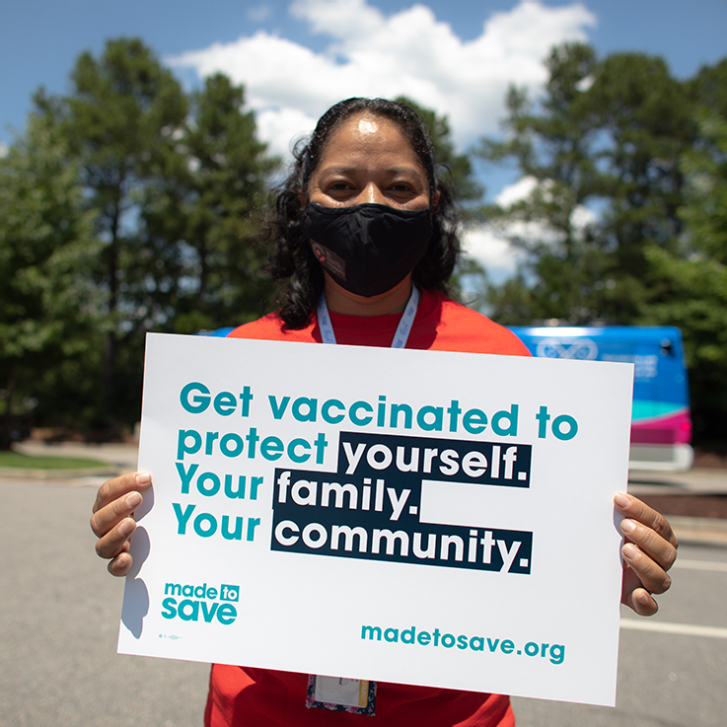
COVID-19 vaccine efforts showed how successfully centering communities can overcome mistrust and access barriers.
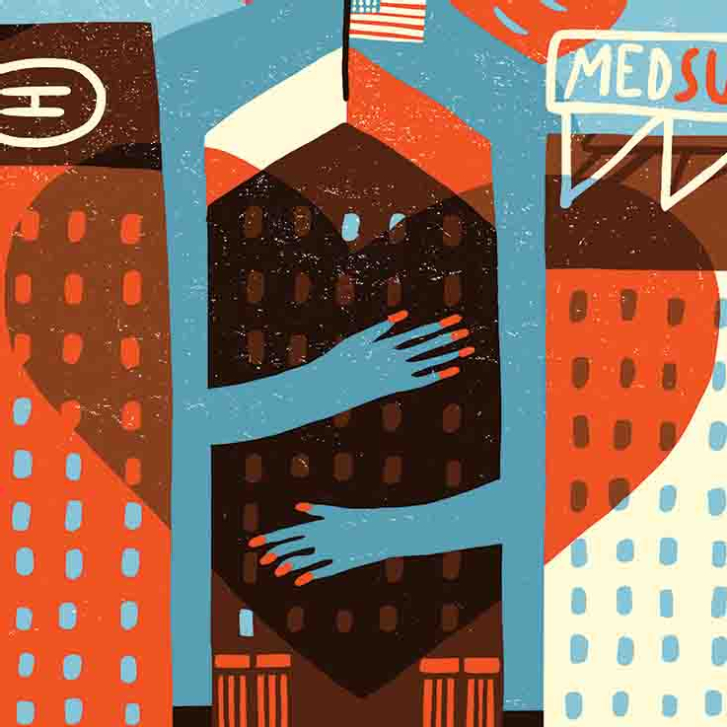
Our research into 19 multistakeholder health efforts identified the crucial factors and leadership moves that together lead to success or failure.
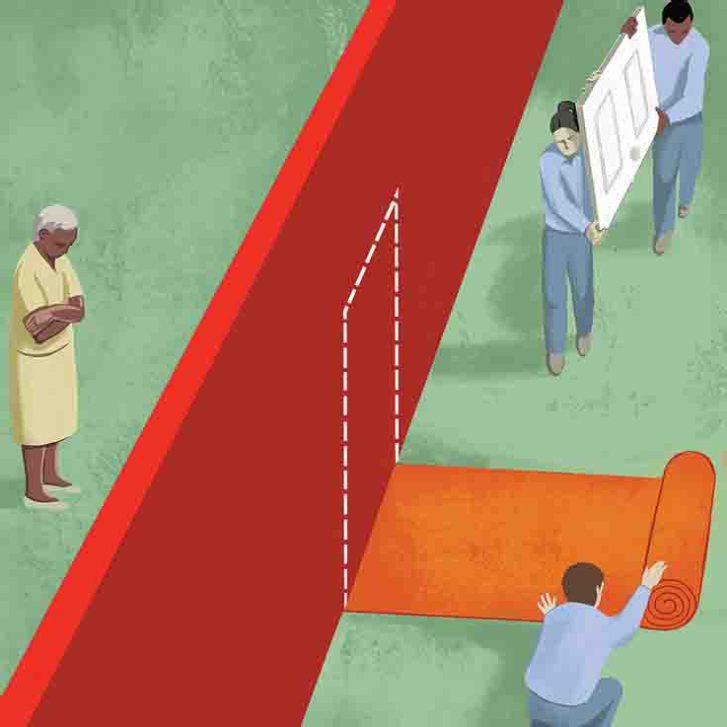
Public health requires a more intentional effort toward building social connectedness.

In the final episode of this special series, Dr. Rajiv J. Shah, president of the Rockefeller Foundation, and Mark Suzman, CEO of the Bill & Melinda Gates Foundation, share how they’re redefining the role of philanthropy in addressing public health crises and preparing for future pandemics. Produced in partnership with The Pew Charitable Trusts.
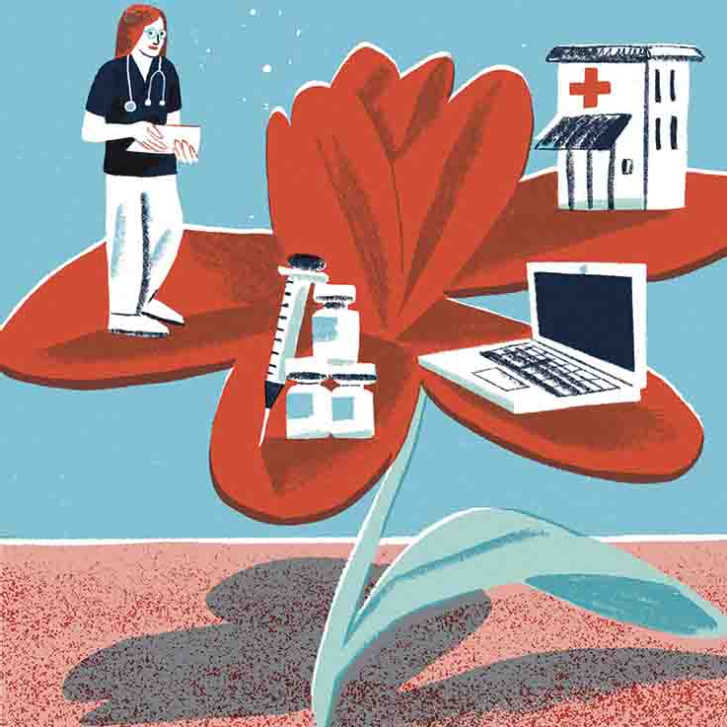
Community health workers, neighborhood clinics, and real-time data bolstered America’s COVID-19 response. They could now form the cornerstone for more equitable health care.

A Philadelphia-based health initiative has delivered COVID-19 testing and vaccinations to hundreds of thousands of people in underserved communities.
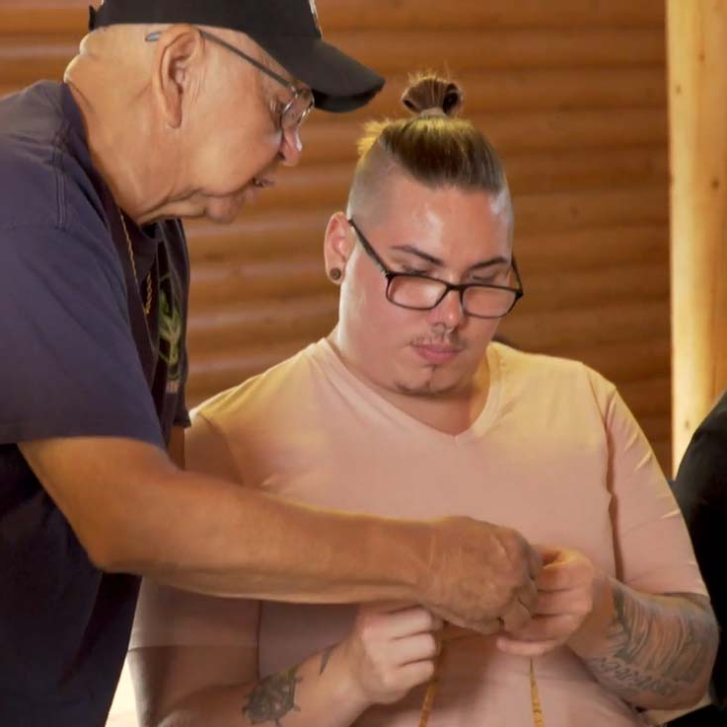
How five challenging realities are thwarting progress in public health, and how the sector can build strength to advance health equity, prepare for future pandemics, and face other emerging challenges.

Economists have obsessed over the question of negative externalities, but market arrangements can also generate positive externalities. We should consider how to harness them for public good. | Open access to this article made possible by Harvard Business School Division of Research and Faculty Development
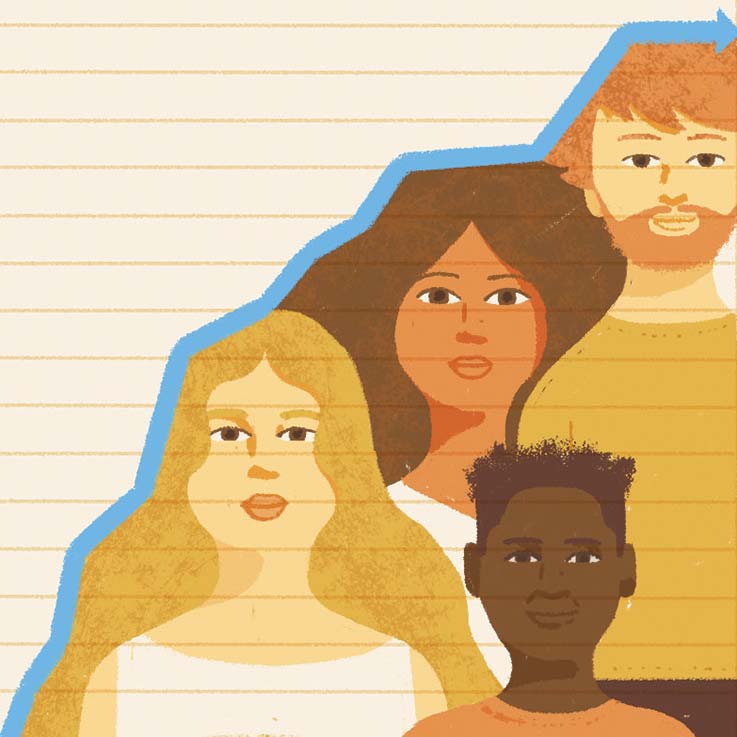
The new public management model of governance has failed. But an emerging collaborative and democratic approach shows promise.

Research does no good if its insights are irrelevant or not applied. Ensuring that evidence influences policy requires developing the right ecosystem and levers for accountability.